

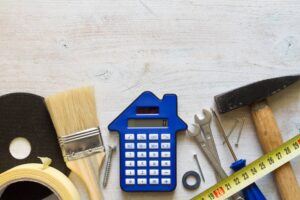
 Rental property investors around the country are encountering the squeeze of rising repair costs. While rents in some markets keep rising, maintenance expenses are surging at an even quicker pace across the board. Investors are reassessing the property upkeep. This increasing gap, also known as “rental repair inflation,” is altering cash flow and diminishing margins. As a result, protecting your bottom line necessitates an understanding of prevailing investment maintenance trends.
What Is Rental Property Repair Inflation?
Maintenance inflation, or repair inflation, refers to the steady rise in repair and service costs that exceeds typical inflation rates and, more concerningly, often outpaces rent growth. For rental property investors, this suggests that even well-performing properties may face a drop in profitability due to higher maintenance bills stemming from costs outside of your control.
Repair expenses can vary greatly due to workforce shortages, supply chain issues, and changes in regulations, unlike rent increases, which are often constrained by market conditions or regulations. At times, this results in a widening gap between income and expenses.
Why Rental Property Repair Costs Are Outpacing Rent Growth
Competition, affordability, local demand, and financial conditions all play a crucial role in the rent growth, which usually occurs slowly over time. On the other hand, repair costs rely on several factors, and a sudden alteration in any of these could lead to a significant rise.
At present, some of the key trends driving higher repair costs include:
- Labor Shortages in Skilled Trades: Electricians, plumbers, HVAC technicians, and general contractors are in short supply. Service rates keep increasing, specifically for urgent or after-hours repairs, as demand escalates and the workforce diminishes. This is among the most important investment maintenance trends affecting rental portfolios today.
- Rising Material and Supply Costs: Material costs have increased significantly, ranging from drywall and lumber to fixtures and appliances. For instance, the costs of appliances have increased, and lumber prices have risen sharply following supply chain disruptions. Extended delays caused by supply chain delays often lead to premium pricing for expedited repairs.
- Aging Housing Inventory and Deferred Maintenance: Plumbing, roofing, and electrical systems have a limited lifespan, and numerous rental properties are aging. Deferred maintenance intensifies the problem, turning small fixes into expensive replacements.
- Code Changes and Compliance Requirements: Updated building, safety, and energy codes could expand the scope and cost of repairs. What was previously viewed as a simple fix may now require enhancement to meet current standards.
Consequently, investors across the country are observing that:
- Yearly rent increases are no longer aligned with rising service invoices.
- Repairs that previously seemed standard now necessitate larger budget allocations
- Older properties encounter the impact most acutely.
As any investor understands, increasing maintenance expenses directly affects net operating income. The impact builds quickly for investors holding numerous units. Undervaluing repairs can create pressure on reserves or require unexpected capital contributions, and planning based on the previous year’s costs is no longer reliable.
Uncontrolled rental repair inflation can ultimately diminish returns and hinder portfolio growth. This renders proactive prevention and planning increasingly vital.
How to Reduce Rental Property Maintenance Costs
In an inflationary environment, rental property investors can utilize key strategies to protect their savings from increasing property maintenance and repairs.
One of the most crucial of these is to invest in preventative property care. Emergency repairs are almost always costlier than planned maintenance. This is because tenant disruptions, expedited parts orders, and work conducted outside regular hours all drive costs higher.
Preventive maintenance, conversely, aids in keeping costs down in significant ways. For example, through regular inspections, proactive maintenance on essential systems, quickly addressing repair requests, and implementing various tactics, property investors can more effectively avoid those expensive emergency repair calls. Proactive maintenance helps keep your tenants satisfied in their rental homes and extends the lifespan of essential systems, delaying their replacement.
While prevention stands out as a highly effective method for managing expenses, investors can also adapt to rising costs by allocating larger maintenance reserves into their monthly budget and collaborating with property management professionals who can employ service contracts and additional services to mitigate the effects of higher costs. Cooperatively, these methods can help stabilize expenses and secure long-term profitability.
Property Management Solutions for Rising Maintenance Costs
Expert property managers grasp that maintenance preparation is intentional rather than impulsive. Through developed vendor relationships, implementing regular maintenance programs, and leveraging economies of scale, expert management can help reduce the impact of investment maintenance trends on specific properties.
Think about reaching out to Real Property Management Sailfish Coast if maintenance costs are diminishing your investment profits and causing you sleepless nights! Our anticipatory maintenance strategies help rental property investors in Hutchinson Island and the nearby region in protecting their cash flows and enhancing the enduring profitability of their investments. Contact us online today or call us at 772-242-9094.
This content is provided for general informational and educational purposes only and does not constitute financial, legal, tax, or investment advice. Readers should consult with licensed professionals regarding their specific circumstances.
We are pledged to the letter and spirit of U.S. policy for the achievement of equal housing opportunity throughout the Nation. See Equal Housing Opportunity Statement for more information.
