

 Key Takeaways
- Monitor vacancy and turn time closely. Every day a property sits empty means lost rental income while expenses such as utilities, insurance, and HOA dues continue. Tracking these metrics by property can reveal opportunities to improve pricing, preparation, and leasing speed.
- Prioritize tenant screening and proactive maintenance. Thorough screening can help reduce costly turnover, while regular property reviews and prompt repairs can prevent minor issues from becoming expensive problems.
- Use property performance data to guide investment decisions. Tracking vacancy, turnover costs, maintenance spending, and rent collected gives owners a clearer picture of each property’s performance and helps inform decisions about holding, selling, or reinvesting.
Owning a rental property is ultimately a business whether you own one home in Stuart or a portfolio across the Treasure Coast. Successful owners look beyond whether rent arrived this month and pay attention to key performance indicators that show how their investment is actually performing. Vacancy rate, turn time, and turnover costs are the three of the most useful indicators of a rental property’s performance.
We at Real Property Management Sailfish Coast track these indicators across the homes we manage on the Treasure Coast, because local market conditions often matter more than national averages.
Why Vacancy Rate Matters to Your Bottom Line
Vacancy rate is the percentage of time a unit sits unoccupied rather than generating income. Even a few extra weeks of vacancy can have a noticeable impact on an owner’s annual return.
Vacancy rates are most useful when compared across similar properties within your own portfolio or local market.
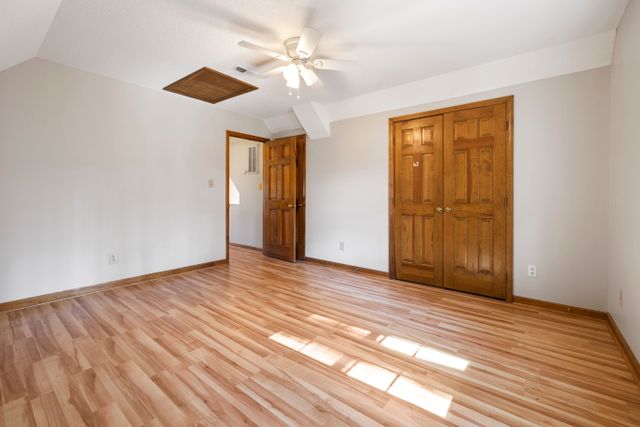
A single-family home in Palm City with an HOA approval process might experience a different leasing timeline than a condo on Hutchinson Island competing with seasonal inventory. Comparing unlike properties can create misleading expectations. Tracking vacancy by property makes it easier to identify patterns related to pricing, conditions, location, or marketing.
Setting an appropriate market rent from the beginning is one of the most effective ways to reduce vacancy. When a property is priced above comparable rentals it may remain on the market longer than predicted. Price it right based on current comps, and qualified tenants move faster.
Turn Time: The Cost of Every Day a Unit Sits Empty
Turn time is the number of days between one tenant moving out and the next one moving in, including cleaning, repairs, and rent-ready work. It’s related to vacancy rate but it isolates the part you can actually control. Turn time is about how fast your team, or your management company, moves once a unit is empty.
A slow turn adds up quickly. Every extra week of turn time is a week of zero rent plus whatever utilities, HOA dues, and insurance you’re still paying on an empty property. In a Martin County community with HOA approval requirements for new tenants, turn time also has to account for association paperwork, which is exactly why we manage that process directly rather than leaving it to the owner to chase down.

Reducing turn time comes down to preparation, not simply moving faster. Documented move-in and periodic property reviews with photos mean there’s no guessing about condition when a tenant leaves.
Preferred vendor relationships mean a cracked garage door opener or a failed AC capacitor gets fixed in days, not weeks, because the vendor already knows the property and doesn’t need a walkthrough to quote the job. Owners self-managing a single rental in Hobe Sound or Fort Pierce often lose time here simply because they’re calling three contractors and waiting for callbacks while the unit sits empty.
Turnover Costs: What a Bad Placement Really Costs You
Turnover costs are the total expense of losing a tenant and replacing one, and they go well past a coat of paint. Marketing the vacancy, screening applicants, cleaning, repairs, lost rent during the turn, and in the worst cases legal fees for a non-paying tenant, all of it adds up. A poorly screened tenant who stops paying or has to be evicted can cost an owner four to six times a single month’s rent once you total lost income, legal costs, and property damage.
Screening standards matter more than almost anything else in the rental process. Credit history, employment verification, rental history, and background checks aren’t paperwork for its own sake. These screening measures help keep turnover costs from escalating.a marginal applicant simply to fill a vacancy faster can create greater costs in the long run.

Turnover costs also show up in patterns worth watching. Tracking turnover cost by property over multiple lease cycles surfaces that kind of problem long before it shows up as a full year of lost income.
Maintenance Spend as a Performance Indicator
Maintenance spending is often treated as a cost center, but it can also be a valuable performance indicator for an owner. Deferred maintenance doesn’t disappear, it just moves down the road and gets more expensive, especially in a coastal Florida market where humidity, salt air, and hurricane season punish anything left unaddressed.
Tracking maintenance spend against rent collected, rather than looking at repair bills in isolation, tells you whether a property is stable or heading toward a bigger problem. A spike in maintenance costs on one property is often the early signal for a roof, seawall, or electrical issue that’s cheaper to address now than after storm season.
This is also where rising Florida insurance costs come into the picture. Insurers are increasingly attentive to maintenance condition, and a well-documented repair history can matter at renewal time.
How Real Property Management Sailfish Coast Tracks These Numbers For You
Vacancy rate, turn time, and turnover costs aren’t numbers most owners have time to track property by property, especially if you own out of state or hold more than one door across Martin and St. Lucie County. That’s the gap a property manager is built to close.

Documented move-in reviews, a preferred vendor network for fast turns, screening that reduces turnover cost exposure, and an owner portal that surfaces maintenance history all exist to keep these KPIs visible instead of buried in a filing cabinet or a text thread with a handyman.
For an owner weighing whether to hold, sell, or reinvest, seeing vacancy, turn time, and maintenance spend side by side against market rent rate is a very different conversation than guessing based on gut feel. The goal is not to eliminate every unexpected issue, but to give owners the information they need to make informed decisions.
Bottom Line
The key rental KPIs of vacancy rate, turn time, and turnover costs help property owners measure performance, protect their investments, and identify costly inefficiencies.
If you own a rental in Stuart, Palm City, Jensen Beach, Hobe Sound, Port St. Lucie, Fort Pierce, or on Hutchinson Island and want to know how your property is performing. Call 772-242-9094 or request your report online and our property management team will call you back at a time that works.
Frequently Asked Questions
What is a Good Vacancy Rate for a Rental Property in Stuart, FL?
There’s no single number that fits every property type, but with Florida’s statewide vacancy rate near 10 percent and Stuart rents softening slightly, owners should watch their own property’s vacancy trend over time rather than chasing a generic benchmark. A property that consistently sits empty longer than similar homes nearby usually points to pricing or condition, not bad luck.
How is Turn Time Different from Vacancy Rate?
Vacancy rate measures the total time a unit isn’t earning rent. Turn time measures specifically how long it takes to get the unit rent-ready and re-leased after a tenant moves out. A property can have a healthy vacancy rate overall and still have a slow turn time problem that’s worth fixing
How Much Can a Bad Tenant Placement Actually Cost Me?
A poorly screened tenant who stops paying or ends up in eviction can cost an owner four to six times a single month’s rent once lost income, legal costs, and repairs are added up. That’s why credit, employment, rental history, and background screening matter more than filling a vacancy quickly.
Should I Track Maintenance Spend Even if Nothing Seems Wrong?
Yes. Maintenance spend is one of the clearest early indicators of a bigger issue, especially in coastal Florida conditions. Tracking it against rent collected, rather than reacting to each bill separately, helps catch problems like roof or HVAC wear before they become expensive emergencies.
Can a Property Manager Really Improve These Numbers, or is it Mostly Out of Anyone’s Control?
Local market conditions, such as statewide vacancy trends aren’t something any manager can control. But turn time, screening quality, and maintenance responsiveness are directly affected by process, and that’s where a management team with preferred vendors, documented property reviews, and a 24/7 owner portal makes a measurable difference.
This content is provided for general informational and educational purposes only and does not constitute financial, legal, tax, or investment advice. Readers should consult with licensed professionals regarding their specific circumstances.
We are pledged to the letter and spirit of U.S. policy for the achievement of equal housing opportunity throughout the Nation. See Equal Housing Opportunity Statement for more information.
